


ELARA Lab
ELARA's First Year: Building Research Through Relationships
Park looks back on student-led projects, community robot demonstrations, and international exchanges, and welcomes new collaborators.
Researcher. Designer. Community collaborator.
Technology that supports
people on their terms.
I turn intimidating technology into everyday support for aging, caregiving, and healthy living. My research brings human-centered design to AI, robotics, and digital health, with autonomy, relationships, and joy at the heart of the work.
Assistant Professor & Presidential Frontier Faculty
University of Houston
About me
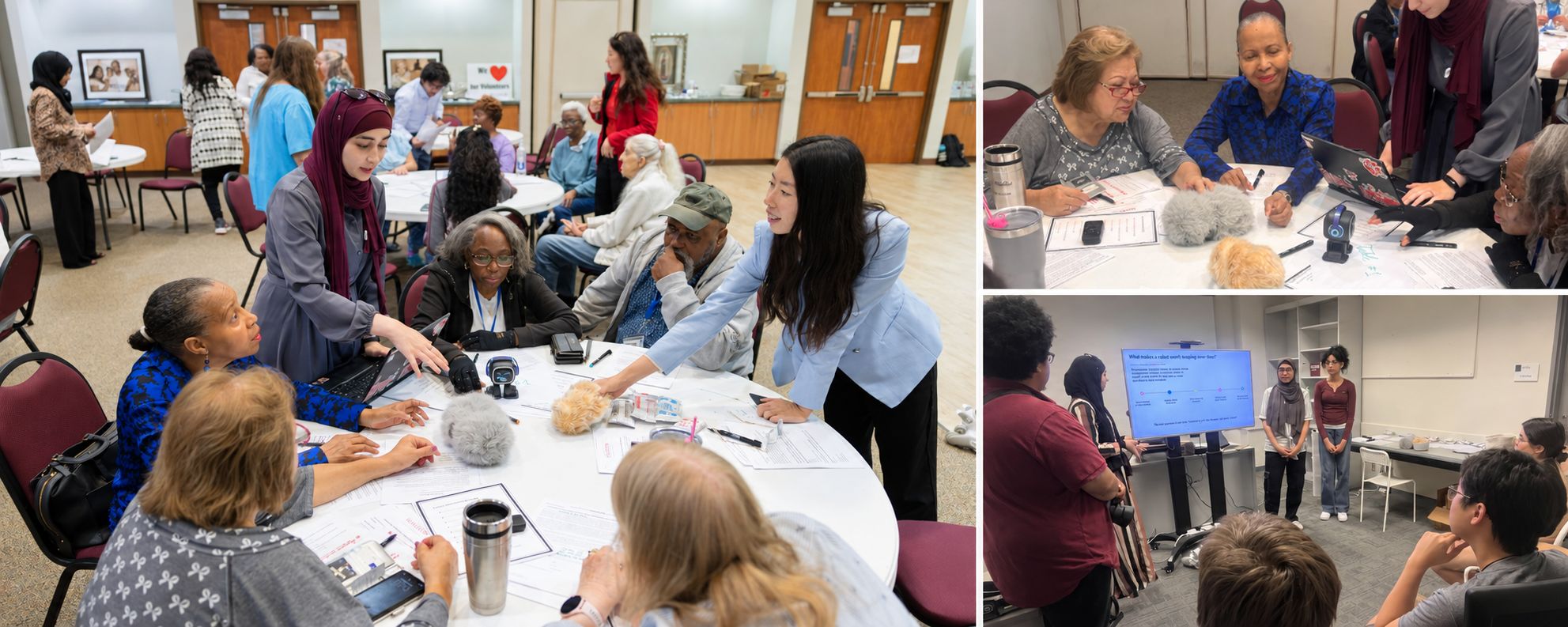
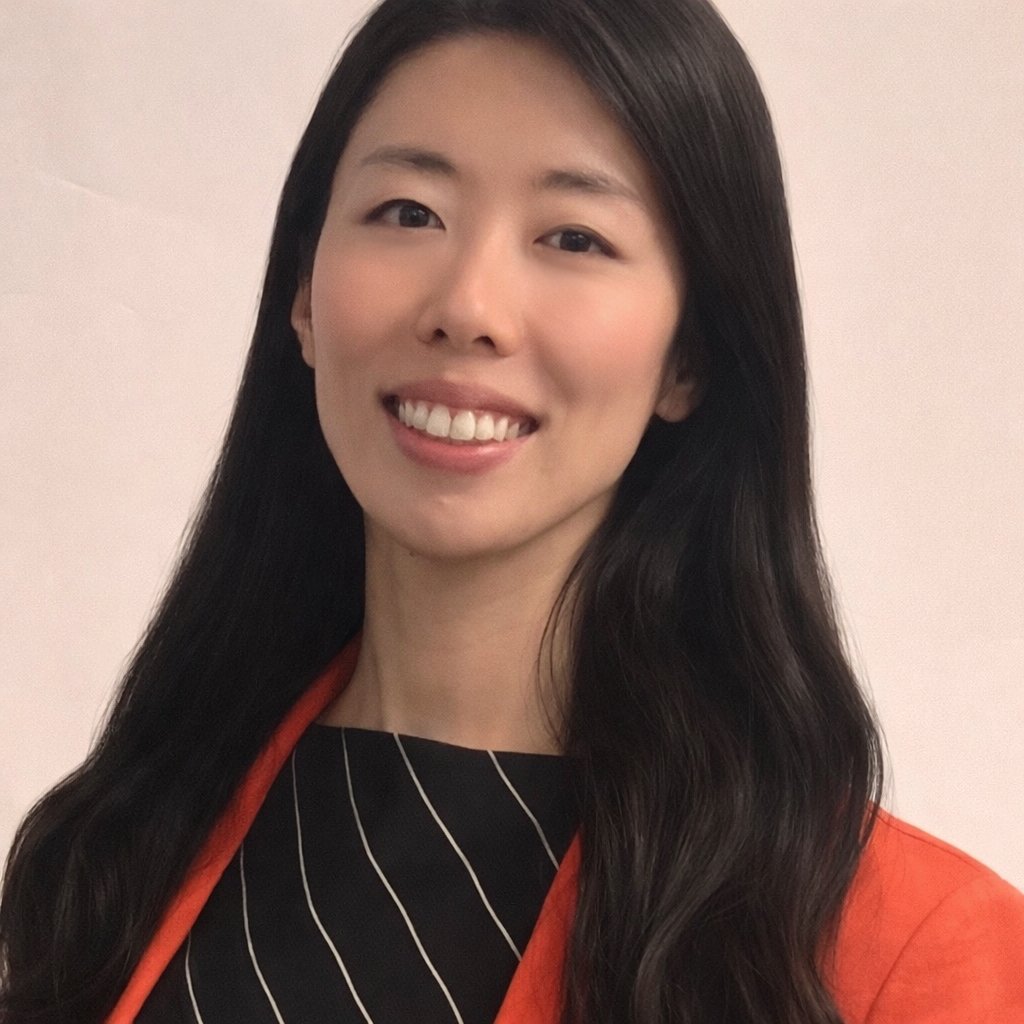
I am an applied, community-engaged researcher at the Gerald D. Hines College of Architecture and Design. I work alongside older adults, people with disabilities, caregivers, and community partners to understand not just whether technology works, but whether it belongs in the lives of the people it is meant to support.
My background connects visual arts, UX design, and gerontology. I earned my Ph.D. in Technology, with a minor in Gerontology, and my M.S. in UX Design at Purdue University, following a B.A. in Visual Arts at the University of Illinois.
More than 500 hours of community technology support with older adults helped shape the questions I ask today: Who gets to decide what support looks like? How can design build confidence instead of dependence? And how can emerging technologies make room for delight?
University profileMy current research
I connect participatory design, behavioral science, and responsible AI to study how technology can fit everyday life.
How can embodied AI respect changing privacy boundaries, support informed choices, and strengthen rather than replace human relationships?
Research on robot privacyHow can AI, AR/VR, and everyday interfaces build on older adults' strengths, challenge technological ageism, and invite learning and play?
Research on emotional experienceHow can digital health and care services help people navigate complex decisions while remaining accessible, useful, and sustainable in homes and communities?
See the design foundationsIndustry experience & collaborations
My earlier UX projects connect to today's research through a shared concern: helping people feel capable, connected, and in control.
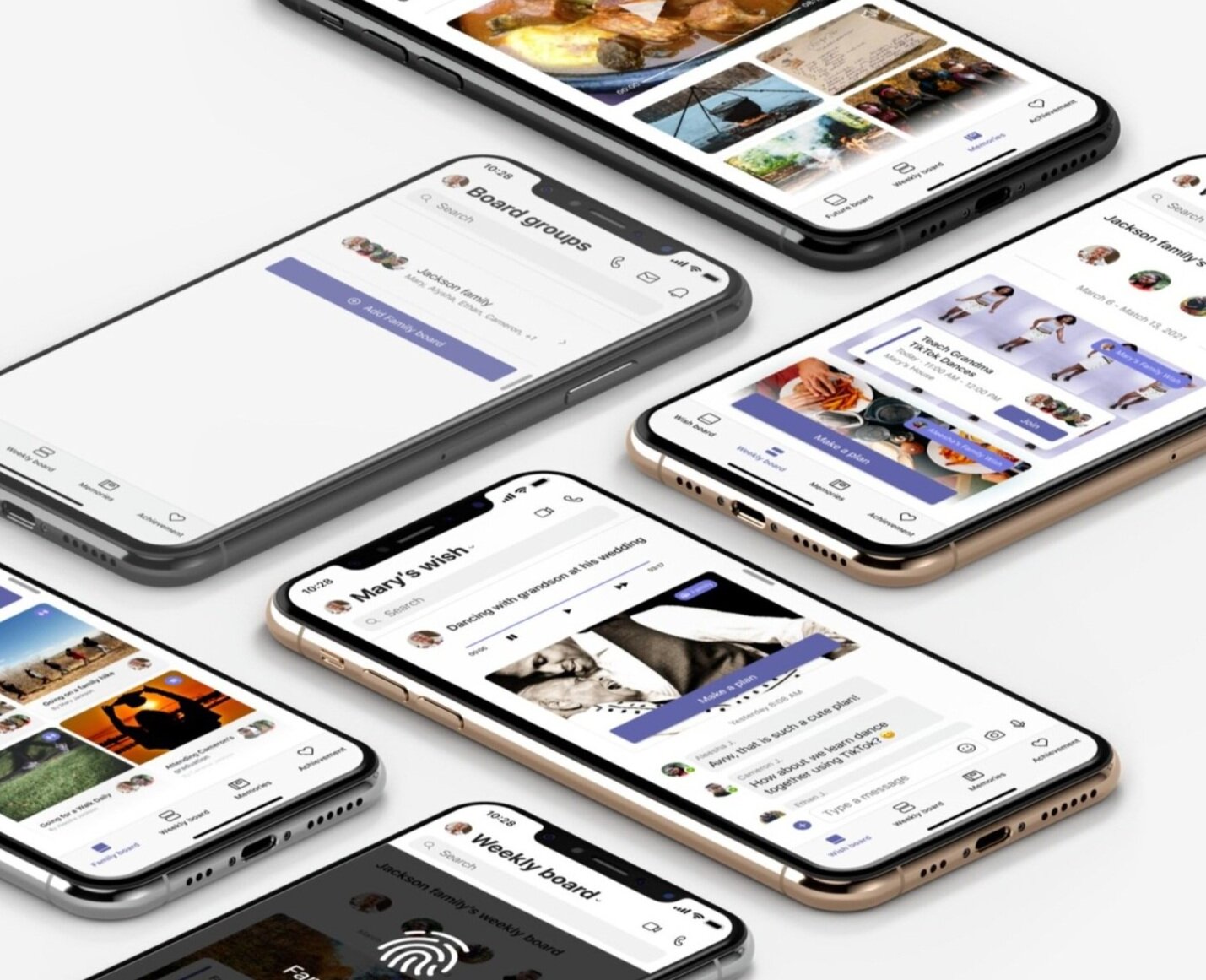
Microsoft Care Team / Team lead
I co-led a sponsored team and designed the Wish Board concept, bringing interviews with caregivers and care recipients into a Microsoft Teams experience for sharing wishes and planning family moments.
Connection to my research: Care should make space for a person's own goals and relationships, not only tasks and monitoring.
Read the full case study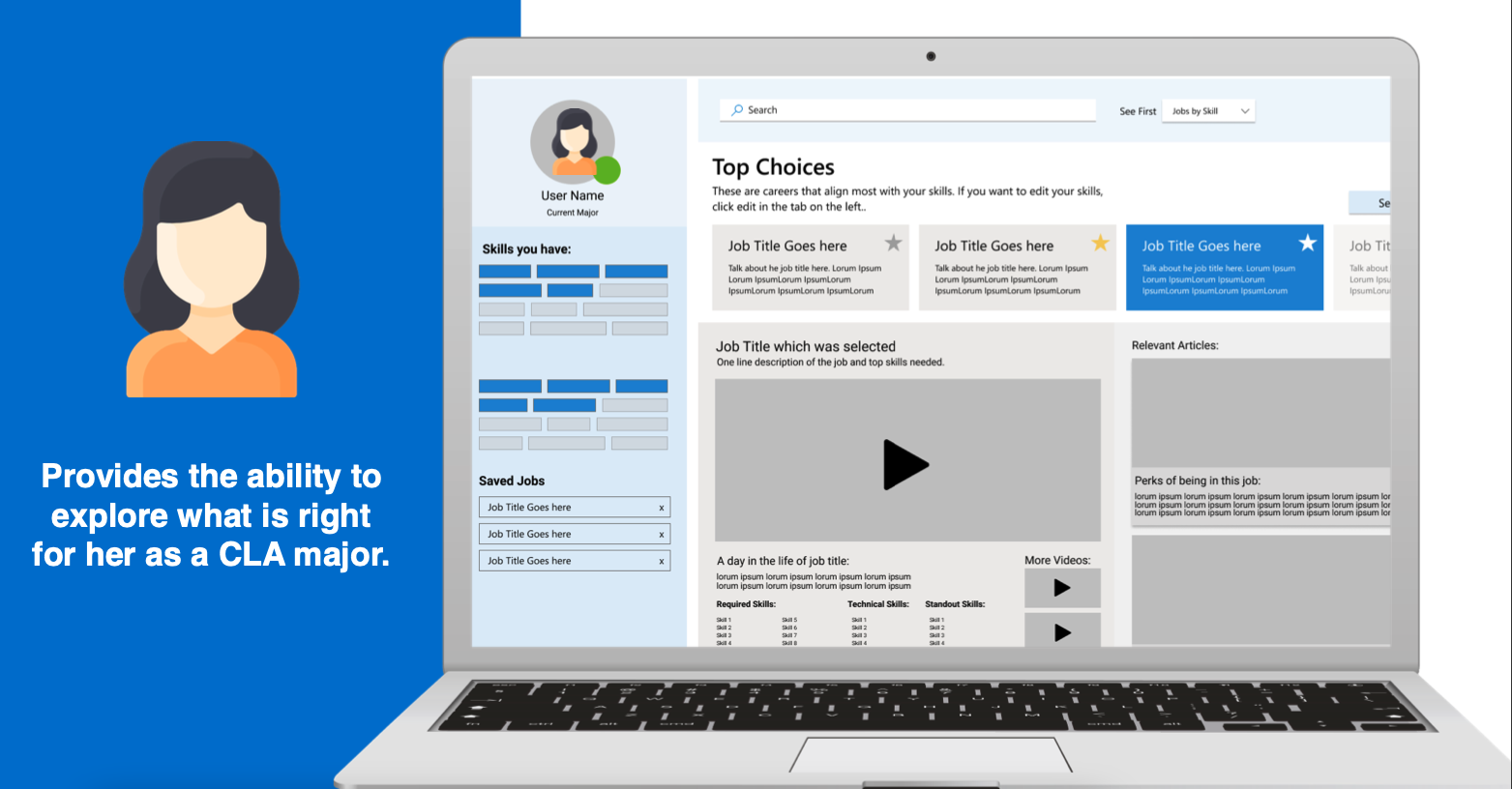
Microsoft / Lead Project Owner
I led research, design sprints, prototyping, and testing for a Microsoft Teams integration concept to help liberal arts students connect their skills and interests with career opportunities.
Connection to my research: Supporting agency means making options understandable, while leaving meaningful decisions with the person.
Read the full case studyThese are portfolio design concepts and industry-academic projects, not claims of shipped products or current company endorsements. Project roles and employment experience are distinguished below.
View all projectsProjects with AdventHealth, UEGroup, and Cerner explored care navigation and patient-provider connection. Those design challenges connect to my current focus on accessible support, trust, and adoption beyond the hospital. Work with P&G, Dolby, and PepsiCo adds experience in understanding everyday choices, social connection, and engagement.
The lab I lead
My research comes to life through ELARA: a collaborative home for autonomy-preserving embodied AI, participatory research, and design for aging and care.
Find my work on Google Scholar
From the lab & beyond
Research and perspectives on technology, aging, and human agency.
ELARA Lab
Park looks back on student-led projects, community robot demonstrations, and international exchanges, and welcomes new collaborators.
ELARA Lab
A shared feature highlights the community input shaping ELARA's approach to companion robots.

ELARA Lab
A community-center interview highlighted why listening to people's reactions is part of robot design, not just outreach.

ELARA Lab
Coaching hypertension teams in Zurich brought evidence, feedback, and practical delivery into the same design conversation.

ELARA Lab
The RO-MAN workshop connected Park's work on trust with cross-cultural robot teleoperation, emotionally responsive companions, and a shared discussion about care.

ELARA Lab
An ETH Zurich exchange connected Park's work on aging and robot interaction with perspectives from neuroscience and behavior.

ELARA Lab
Park's July talk explored the responsibility that comes with making AI agents socially and emotionally engaging.

ELARA Lab
Park's summer research visit put lasting relationships with older adults at the center of AI and robotics design.

ELARA Lab
At CDHI, Park connected AI and digital coaching with trust, dignity, and the realities of aging.

ELARA Lab
Park joined the UMZH summer school's hypertension challenge with a focus on the practical questions beyond a promising concept.

ELARA Lab
A planned RoboCup presentation explores robot play as an invitation to understand AI, ask questions, and stay in control.

ELARA Lab
Park's planned Computer Science talk asks what makes AI, robots, and immersive technologies usable and trustworthy in everyday life.

ELARA Lab
Alongside an Honorable Mention, the Barcelona conference brought fresh questions about making robots accessible, enjoyable, and useful over time.

ELARA Lab
Park's InterAI message: robots should adapt as people change, but people should have a say in how that happens.

ELARA Lab
An early lab milestone brought students and professionals together around research on technology and aging.

ELARA Lab
Purdue demonstrations prompted Park to think about purpose, accessibility, and human connection alongside technical possibility.

ELARA Lab
An award-recognized study asks a practical question: what happens when someone's privacy preferences change after the first click?

ELARA Lab
A hands-on Carebom session focused on everyday communication, time to practice, and knowing when to check an AI response.

ELARA Lab
At ICCR 2025 in Kyoto, Park explored how familiar, friendly interactions could shape older adults' experiences with robots.

ELARA Lab
A UH faculty profile looks at the people and design questions behind Park's work on aging and interactive technology.

ELARA Lab
An IDSA conversation puts enjoyment, everyday routines, and collaboration at the heart of technology learning for older adults.

ELARA Lab
Park brings a people-first approach to technology, aging, and design to her new faculty role in Houston.
Posts and perspectives from Chorong Park.
InnovationMap
InnovationMap covers ELARA's work on robot companions, with attention to privacy, participation, and independent living.
Read articleUniversity of Houston
University of Houston highlights how Chorong Park and ELARA involve older adults in shaping AI and robotics around dignity, trust, and human connection.
Read articlePurdue Polytechnic
Purdue profiles Park's community-engaged doctoral research into inclusive VR, AR, AI, and robotic companions for older adults.
Read article